
Connecting lawyers with economists to solve the hardest problems together
We help law firms and litigation funders think through the economic questions before litigation and stay focused on what matters most at every stage of litigation.
Independent economic analysis for law firms, litigation funders, and in-house counsel
Objective, data-driven assessment of alleged conduct, potential damages, and defendants' ability to pay
Find the right expert for your matter and build a team to support you
Independent economic review of AI algorithms and statistical models for regulatory risk and legal exposure

Consulting expenditure has been rising significantly in recent years. While growth in hourly rates plays a role, overall cost inflation is often driven by expansion of workstreams beyond what is necessary to address the key economic questions.

Meet the Founder
A few years ago, several attorneys came to me with a question: Can you help us calculate damages caused by opioid abuse? This was a genuinely hard problem. Patients vary widely in their demographics and health conditions. If someone with opioid use disorder had high medical costs, how could we attribute those costs to their addiction rather than to other factors?
The answer required isolating the impact of opioid abuse from everything else. I proposed a matching approach: for every patient with opioid use disorder, we would identify a comparable patient — same demographics, similar health conditions — but without the addiction. Comparing their medical costs would reveal the true incremental cost of opioid use disorder.
When I presented this to a litigation funder and a law firm, they understood immediately. Their uncertainty gave way to excitement. That moment was deeply satisfying. It felt like cracking a nut — taking a problem that looked impossibly hard from the outside and breaking it open to reveal a clear, workable answer.
That experience stayed with me. In April 2026, I founded Nutcracker Economics because I believe every litigation team deserves that same moment of clarity. Law firms, their clients, and litigation funders deserve clear answers to the key economic questions in their cases. When those answers are clear, decisions become easier and outcomes improve.
— Dr. Pian Chen, Founder
Research-quality analysis on litigation economics, antitrust, and damages
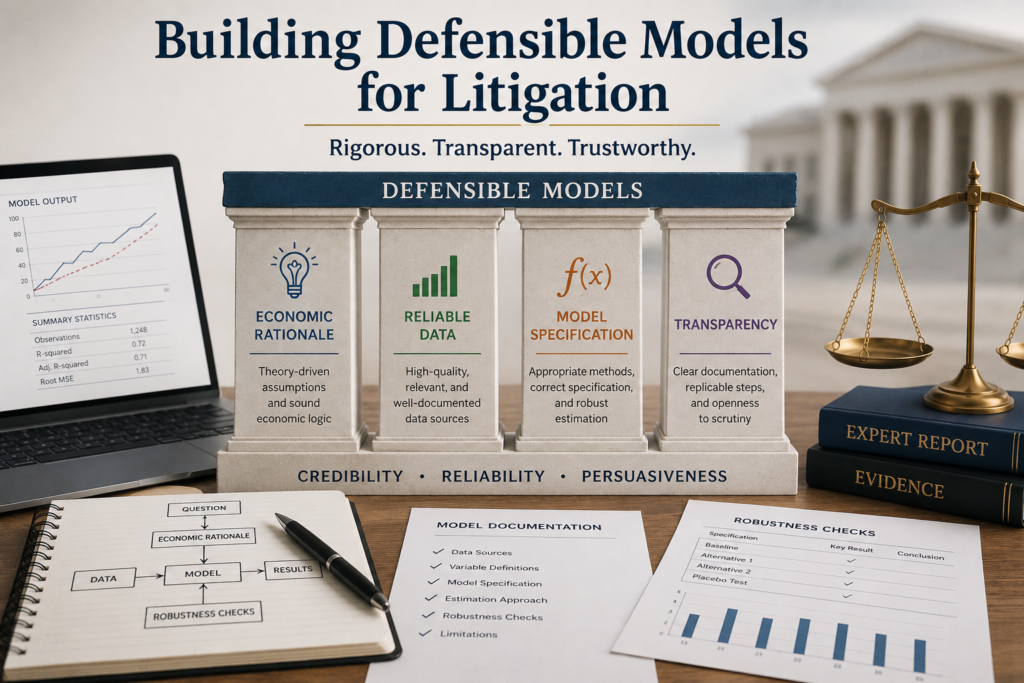
Jim Barrett and Pian Chen | August 4, 2026
A model the court can understand, probe, and trust is worth more than an elegant black box, because in the end the models that decide cases are the ones that survive scrutiny.
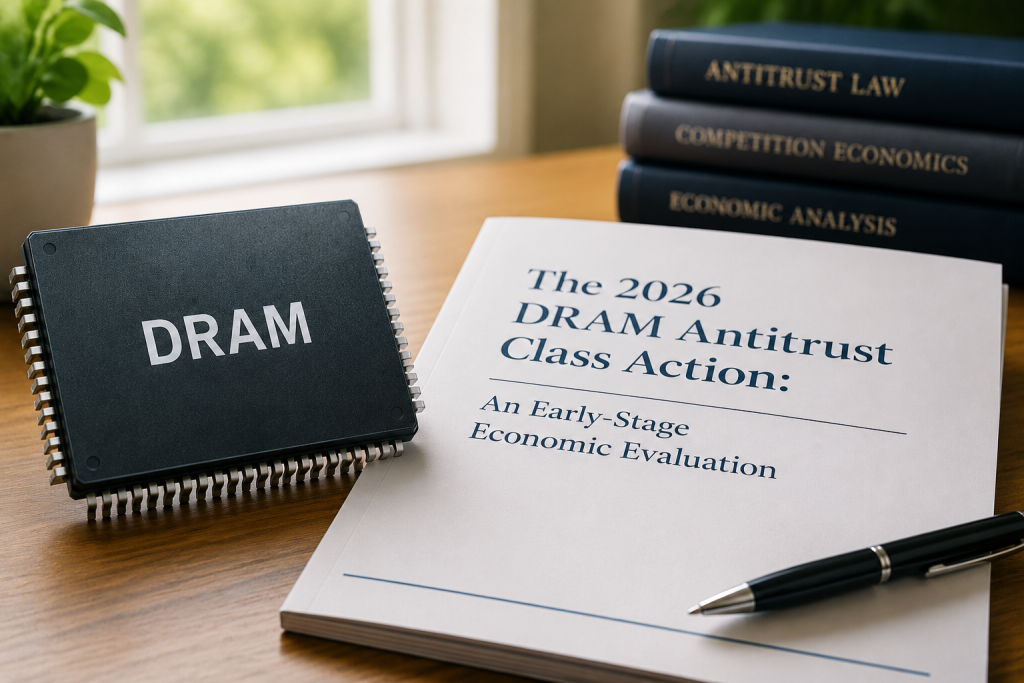
Pian Chen and Rui Huan | July 7, 2026
We start every case with an economic reality check. The truth helps you make better decisions.
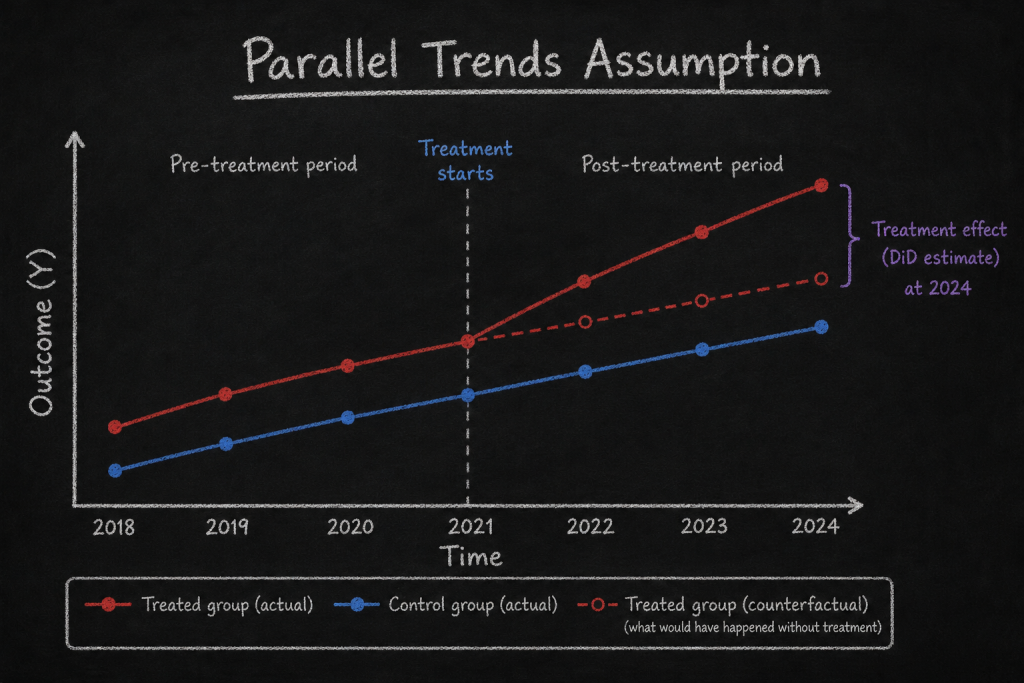
Rui Huang and Pian Chen | June 24, 2026
This article is the second part of our data science crash courses — Causal Methods in the Courtroom and the C-Suite. The courses introduce fundamental methods that economists, statisticians, and data scientists use to make causal inference. We write for two groups: (1) lawyers who want to understand whether challenged conduct caused harm and how to quantify damages and (2) business leaders who make product, pricing, and marketing decisions.
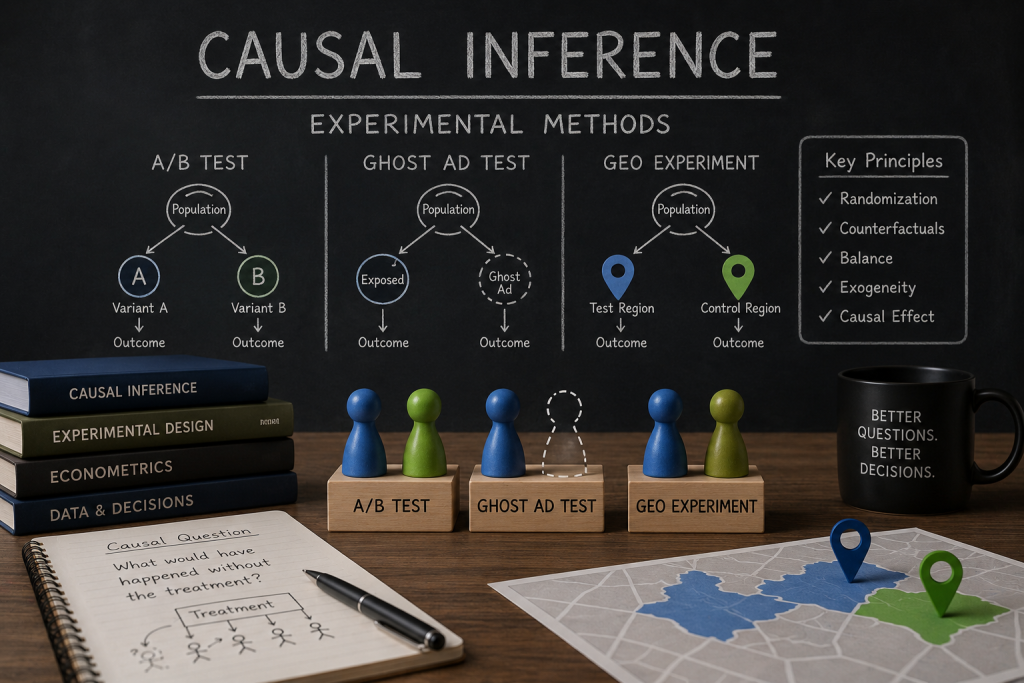
Rui Huang and Pian Chen | June 12, 2026
This article is the first part of our data science crash courses — Causal Methods in the Courtroom and the C-Suite. The courses introduce fundamental methods that economists, statisticians, and data scientists use to make causal inference. We write for two groups: (1) lawyers who want to understand whether challenged conduct caused harm and how to quantify damages and (2) business leaders who make product, pricing, and marketing decisions. This article focuses on experimental methods for causal inference. Later installments in this series will cover the statistical, econometric, and machine-learning methods that have been tested in the courtroom or have been used by business leaders.
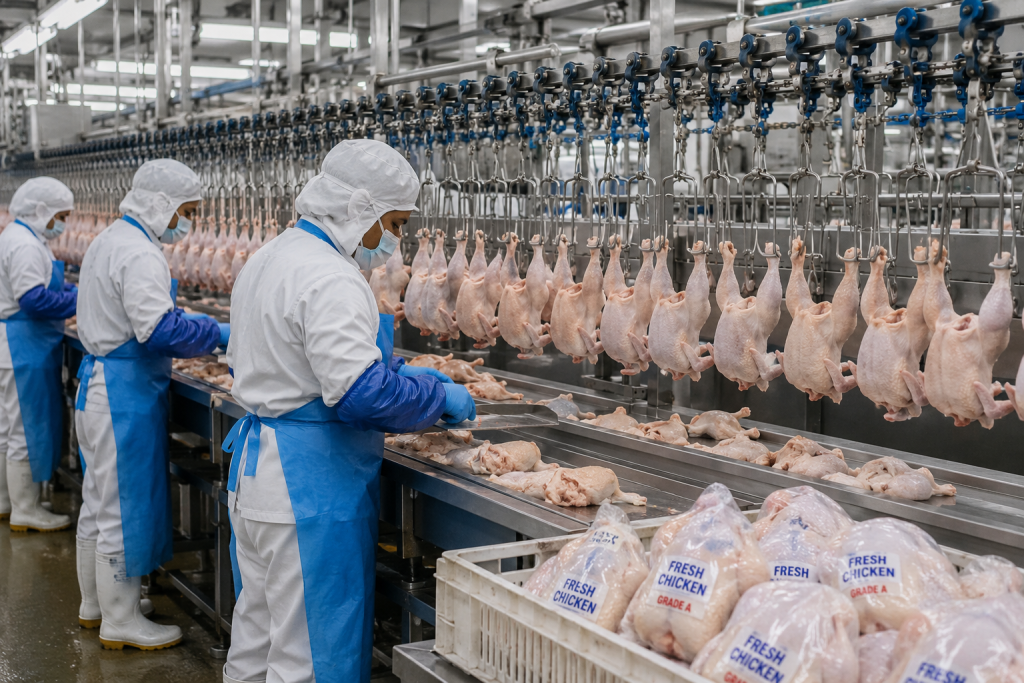
Aleks Schaefer and Pian Chen | June 8, 2026
For most of the history of U.S. antitrust enforcement, merger review has been framed primarily as a question of consumer welfare. The central inquiries have concerned whether a merged firm would raise prices, whether product or service quality would decline, and whether new entry would discipline post-merger conduct. Workers, on the other side of the firm's market, have received comparatively little attention. The 2023 Merger Guidelines, issued jointly by the FTC and the DOJ, formally incorporated labor-market effects as a component of merger review. This new requirement has created demand for rigorous empirical evidence on how mergers and consolidation affect labor markets.
Chanyuan (Abigail) Parker and Pian Chen | May 22, 2026
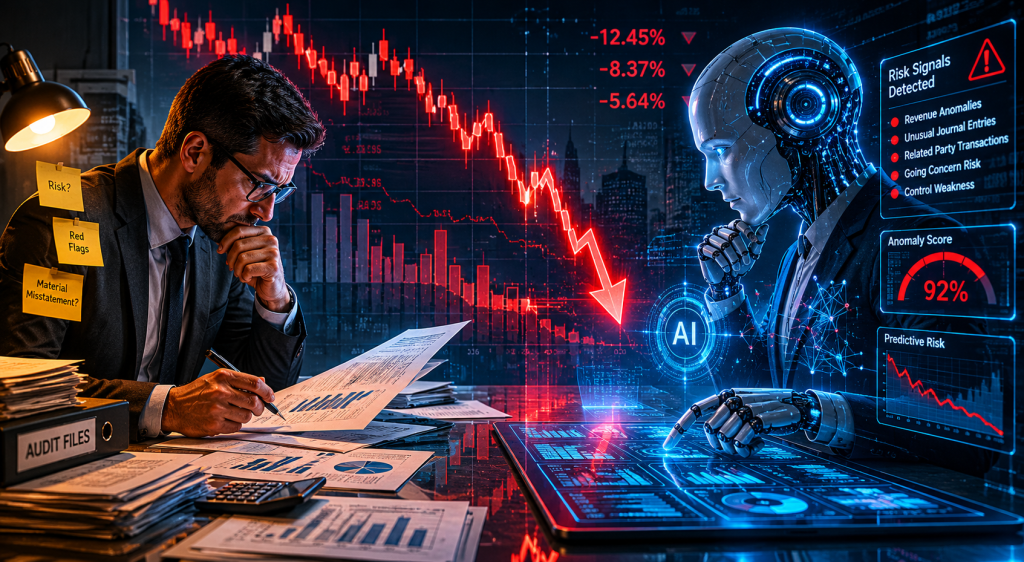
PCAOB Auditing Standard 1000 requires auditors to obtain reasonable assurance that financial statements are free of material misstatements. Material misstatements are errors that meaningfully distort the information in financial statements. When discovered, they are typically corrected through restatements, which are disclosed via Item 4.02 of Form 8-K, a requirement by the SEC since 2005.[1]
Pian Chen and Rui Huang | April 22, 2026
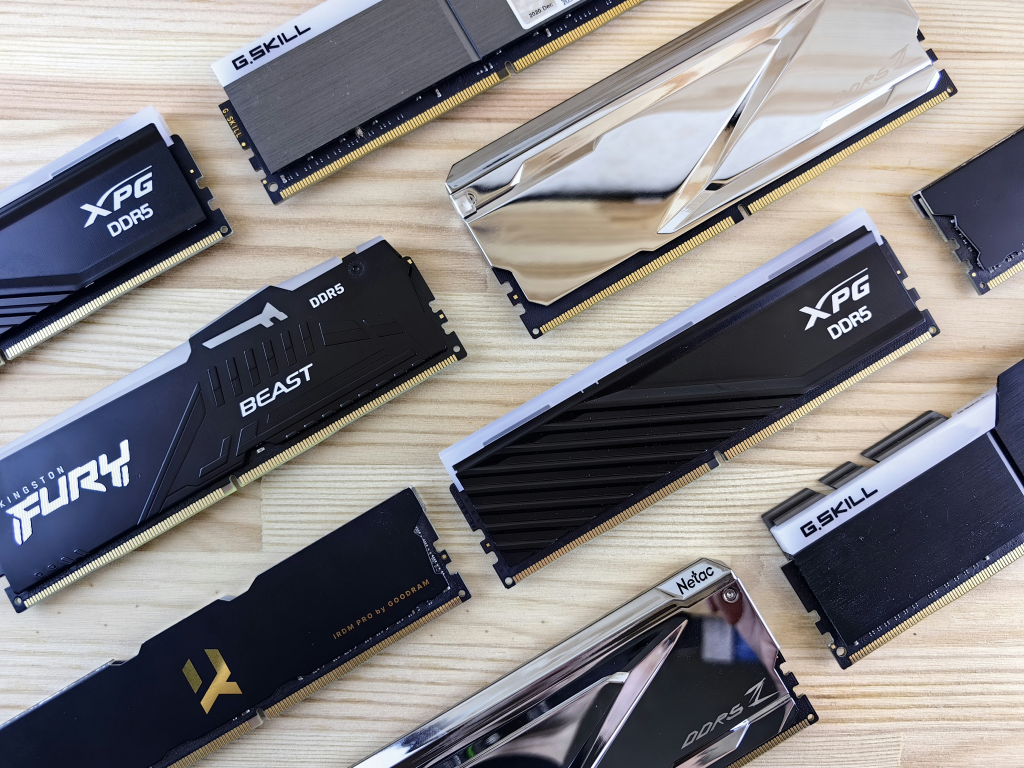
Contract prices for NAND flash memory have risen sharply in the second half of 2025 as enterprise storage demand has accelerated alongside AI infrastructure investment. Prices are expected to double in 2026.[1] Despite rising demand and prices, Samsung and SK Hynix are planning production reductions in 2026 by 4.5% and 10.5%, respectively.[2] This raises key questions: Does Samsung and SK Hynix's announced supply reductions in 2026 raise antitrust concerns?

Becky Zhang and Pian Chen | April 23, 2026
In high-stakes litigation, a large damages award on paper may yield far less in the hands of plaintiffs. Treble damages sound powerful, but class actions routinely settle for less than single damages when defendants cannot cover their full exposure. Before committing significant capital and thousands of billable hours to a multi-year case, a critical threshold question must be answered: is there actually something to recover?
Tell us about your case and we’ll respond within one business day.